

Vitamin E does not usually get the same attention as vitamin C, protein, or fiber, but it quietly does a lot of useful work. It supports normal immune function, helps protect cells from oxidative stress, and fits beautifully into everyday meals.
The good news? You do not need complicated powders or expensive wellness products.
Some of the best sources of vitamin E are simple foods you may already enjoy, like nuts, seeds, oils, greens, avocado, and colorful fruit.
Why Vitamin E Matters On A Real-Life Plate
Vitamin E is a fat-soluble nutrient, which means your body absorbs it best when it is eaten with some dietary fat. The National Institutes of Health explains that vitamin E acts as an antioxidant and also plays a role in immune function about balanced eating, skin health, and daily cellular protection.
It also connects naturally with broader nutrition habits, including choosing enougt vitamins for the immune system in meals that feel enjoyable, not clinical.
So instead of thinking, “I need another supplement,” think, “How can I make my plate a little richer today?”
Best Sources Of Vitamin E You Can Eat Often
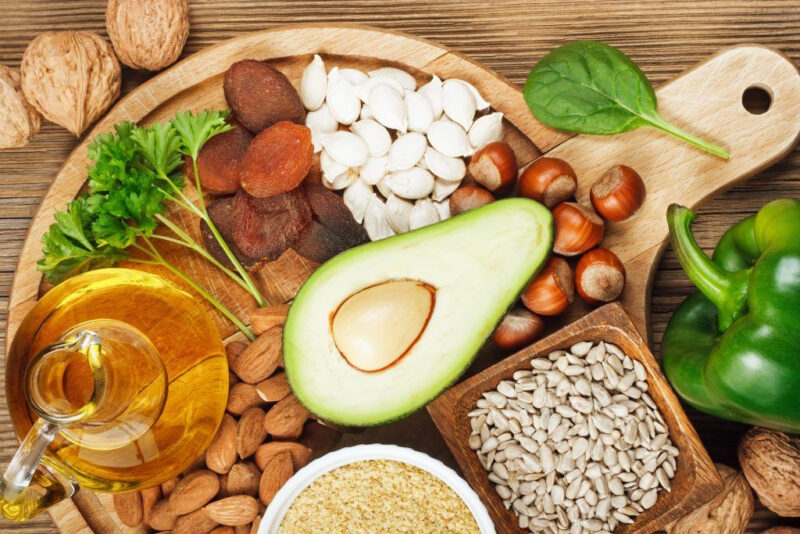
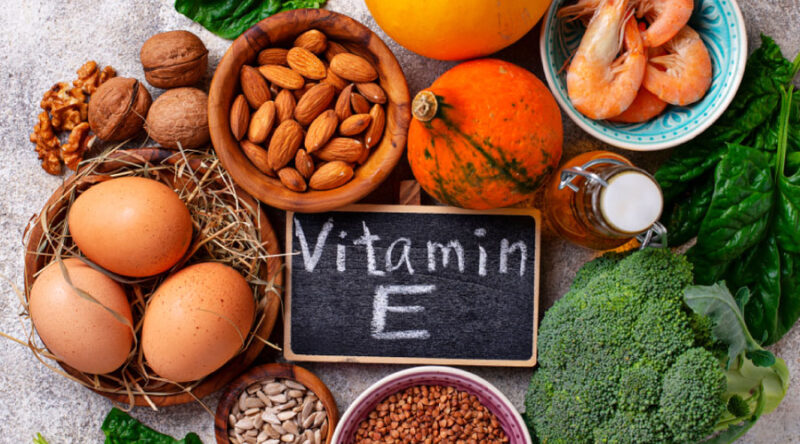
The best sources of vitamin E are mostly plant-based, especially oils, nuts, seeds, and certain vegetables. Harvard’s Nutrition Source lists wheat germ oil, sunflower oil, sunflower seeds, almonds, peanuts, spinach, pumpkin, red bell pepper, mangoes, and avocados among food sources.
That is a nice range because it means vitamin E is not trapped in one “health food” category. You can get it from a crunchy snack, a salad dressing, a smoothie ingredient, or a warm vegetable side dish. The trick is not perfection. It is repeating small food choices often enough that your weekly plate starts doing the work for you.
Nuts And Seeds That Make Snacking More Useful
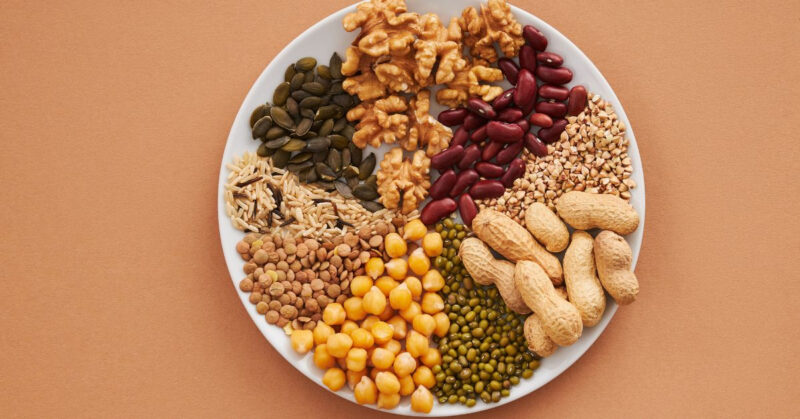
If you want the easiest place to start, go for nuts and seeds. Sunflower seeds and almonds are two of the most practical vitamin E rich foods because they are portable, tasty, and easy to add to normal meals. Sprinkle sunflower seeds over oatmeal, yogurt, soups, or salads.
Add almonds to trail mix, chop them over roasted vegetables, or pair them with fruit when you need a snack that actually keeps you satisfied. Peanuts and peanut butter help too, although they usually provide less vitamin E than almonds or sunflower seeds. Keep portions realistic, though.
A small handful can be helpful, while endless grazing still adds up quickly.
Oils, Greens, And Fruits That Quietly Add More
Oils are concentrated sources, but they work best when used thoughtfully rather than poured everywhere. Wheat germ oil, sunflower oil, and safflower oil are commonly listed among stronger vitamin E foods, while spinach, broccoli, avocado, mango, pumpkin, and red bell pepper bring smaller but useful amounts.
According to the U.S. FDA, the Daily Value for vitamin E is 15 mg alpha-tocopherol.
| Food idea | Easy way to use it |
| Sunflower seeds | Add to salads, yogurt, or homemade granola |
| Almonds | Pair with fruit or chop over breakfast bowls |
| Spinach | Toss into eggs, pasta, soups, or smoothies |
| Avocado | Spread on toast or add to grain bowls |
How To Build A Vitamin E Rich Plate Without Overthinking It
A healthier plate does not need to look like a nutrition textbook. Start with what you already eat, then add one vitamin E food where it naturally fits. Pasta night? Stir in spinach and finish with a few chopped almonds.
Sandwich day? Add avocado instead of only using mayo. Breakfast bowl? Try sunflower seeds instead of another spoonful of sugar. These little swaps are easier to keep than strict meal plans.
A few relaxed ideas:
- Add seeds to meals that need crunch.
- Use avocado when a dish feels too dry.
- Choose colorful vegetables more often.
- Keep almonds nearby for busy days.
That is the kind of nutrition that feels doable.
Food First, Supplements Second
Vitamin E supplements are not automatically better than food. In fact, food is usually the calmer and safer starting point for most healthy adults. The NIH notes that vitamin E deficiency is rare in healthy people and is usually linked to conditions that affect fat digestion or absorption.
Supplements can also come in amounts far higher than daily needs, so they should not be treated like harmless candy.
Important note: Natural vitamin E from foods has not been linked with the same concerns as high-dose supplements, but supplement use can be different, especially for people taking blood thinners or managing medical conditions.
When in doubt, ask a qualified healthcare professional before adding high-dose supplements.
Simple Meal Ideas Using Natural Sources Of Vitamin E
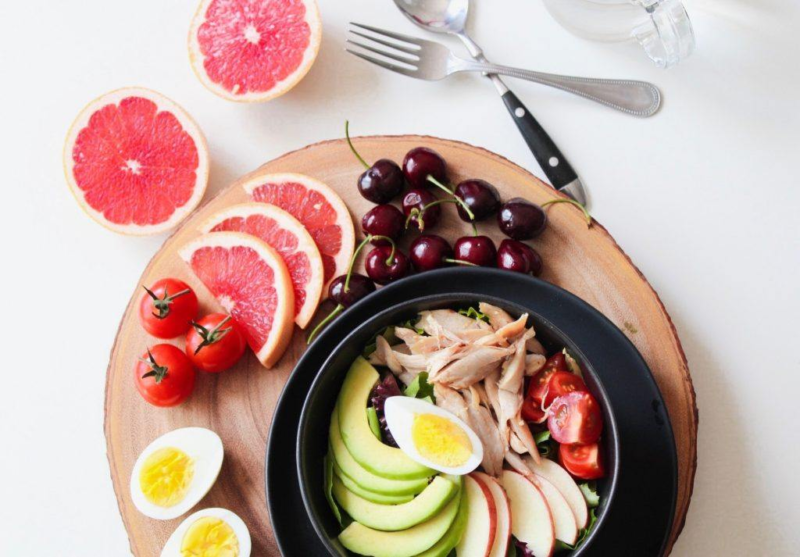
Once you know the food sources, using them becomes pretty easy. For breakfast, try Greek yogurt with mango and almonds, or oatmeal topped with sunflower seeds. For lunch, make a spinach, avocado, and roasted pepper salad with a simple oil-based dressing.
Dinner can be just as relaxed: salmon with broccoli, pasta with spinach, or a grain bowl with pumpkin, seeds, and vegetables. Even snacks can help. Apple slices with peanut butter, a small almond mix, or hummus with red bell pepper all move the plate in the right direction. None of this feels extreme, which is exactly why it works.
A Better Plate Starts With Small Repeats
The best sources of vitamin E are not rare or mysterious. They are the everyday foods that quietly make meals more nourishing: almonds, sunflower seeds, spinach, avocado, vegetable oils, colorful produce, and a few smart snacks.
You do not have to redesign your entire diet. Just add one or two vitamin E rich foods to meals you already like, repeat that habit, and let your plate become healthier in a natural, steady way.
FAQs
1. Can cooking destroy vitamin E in foods?
Heat, light, and long storage can reduce some vitamin E, especially in oils. Store oils properly, avoid overheating them, and include fresh options like avocado, nuts, seeds, and leafy greens too.
2. Are fortified cereals a good source of vitamin E?
Sometimes, but it depends on the label. Check the Nutrition Facts panel for percent Daily Value, then look at sugar and fiber before treating it as a smart everyday choice.
3. Is vitamin E good for skin?
Vitamin E helps protect cells from oxidative stress, so it is often linked with skin health. Still, food is not a quick skin treatment. Think balanced meals, sleep, sunscreen, and hydration too.